

Ayurveda for Constipation
Constipation is a common digestive issue that affects millions of people worldwide. It refers to infrequent, difficult, or painful bowel movements, often accompanied by a sense of incomplete evacuation. While occasional constipation is generally not a cause for concern, chronic or persistent constipation can lead to discomfort and impact overall well-being. Ayurveda, the ancient Indian system of medicine, offers holistic and natural approaches to address constipation and promote digestive health. At Ayur Healthcare in Parramatta, Sydney, we bring you Ayurvedic way of approach tailored to your unique needs.
What is Constipation?
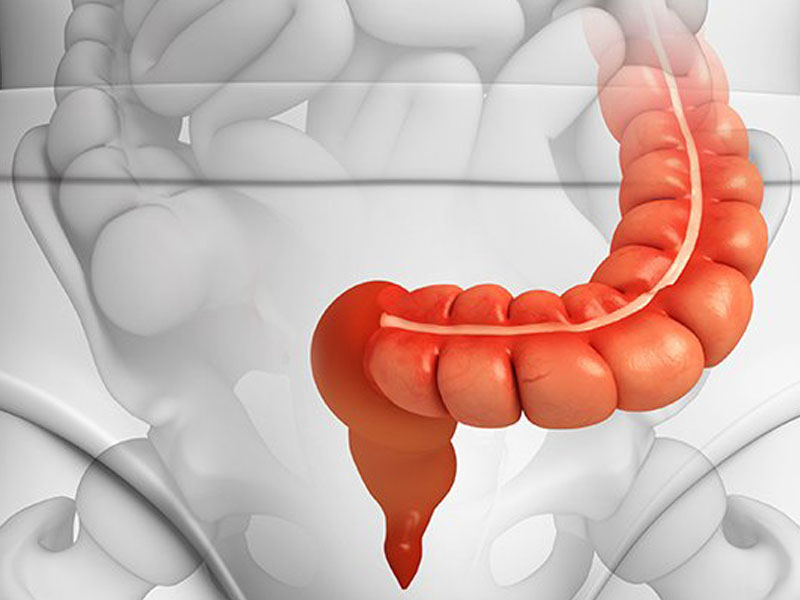
Constipation occurs when the stool moves too slowly through the digestive tract, leading to its excessive hardening and dryness. This can be due to various reasons, including inadequate dietary fiber, low water intake, lack of physical activity, certain medications, and underlying health conditions. It is essential to understand that the definition of normal bowel movements may vary among individuals, but passing stools less than three times a week, straining during bowel movements, and experiencing hard stools can be signs of constipation.
Etiological Factors of Constipation
Constipation can be triggered by a wide range of factors, both lifestyle-related and medical. Some common etiological factors include:
Dietary Habits: Low fiber intake, excessive consumption of processed foods, and inadequate water intake can contribute to constipation.
Sedentary Lifestyle: Lack of physical activity and prolonged sitting can slow down bowel movements.
Stress and Anxiety: Emotional stress can affect digestive function and lead to constipation.
Medications: Certain medications, such as painkillers, antacids, and antidepressants, may cause constipation as a side effect.
Medical Conditions: Hypothyroidism, irritable bowel syndrome (IBS), and other gastrointestinal disorders can contribute to constipation.
Symptoms of Constipation
Recognizing the symptoms of constipation is crucial for timely intervention and management. Common signs of constipation include:
- Infrequent bowel movements
- Straining during bowel movements
- Hard and lumpy stools
- Feeling of incomplete evacuation
- Abdominal bloating and discomfort
- Nausea and loss of appetite
Complications in Constipation
If left untreated, chronic constipation can lead to certain complications, including:
Hemorrhoids: Straining during bowel movements can cause swollen and inflamed blood vessels around the rectum.
Fecal Impaction: Severe constipation can lead to fecal impaction, where hardened stool gets stuck in the rectum and cannot be passed.
Rectal Prolapse: Chronic straining can weaken the rectal muscles, causing the rectum to protrude from the anus.
Anal Fissures: Hard stools can cause tears in the anal lining, leading to painful fissures.
Ayurvedic Concept with Management
Ayurveda views constipation as an imbalance in the Vata dosha, which governs movement and elimination in the body. Ayurvedic management of constipation focuses on restoring the natural balance of Vata and promoting healthy digestion. At Ayur Healthcare, our experienced Ayurvedic practitioners tailor treatment plans based on individual body constitution and specific imbalances.
Herbal Remedies: Ayurvedic herbs commonly used to improve bowel movements and soften stools.
Abdominal Massage: Gentle abdominal massage with specific herbal oils can stimulate bowel motility.
Panchakarma Therapy: Panchakarma, a detoxification process in Ayurveda, can help eliminate toxins and promote regular bowel movements.
Yoga and Breathing Exercises: Practicing yoga asanas and breathing exercises can aid digestion and alleviate constipation.
Diet and Lifestyle in Constipation
Ayurveda emphasises the role of diet and lifestyle in maintaining digestive health. At Ayur Healthcare, our Ayurvedic experts provide personalised recommendations, including:
Fiber-Rich Diet: Including fiber-rich foods like fruits, vegetables, whole grains, and legumes can add bulk to the stool and ease bowel movements.
Adequate Hydration: Drinking plenty of water throughout the day prevents the stool from hardening.
Regular Physical Activity: Engaging in regular exercise or walking promotes healthy bowel movements.
Stress Management: Practicing relaxation techniques like meditation and mindfulness can reduce stress-related constipation.
Conclusion
Constipation is a common digestive concern that can affect comfort and overall wellbeing. Proper medical assessment is important, particularly when symptoms are persistent or recurrent. Ayur Healthcare does not claim to diagnose, treat, cure, or prevent constipation or any digestive condition.
At Ayur Healthcare in Parramatta, Sydney, we offer complementary, holistic wellness support informed by traditional Ayurvedic principles. Through personalised consultations, our practitioners may provide general lifestyle, dietary, and wellbeing guidance aimed at supporting digestive health as part of a broader, medically guided care plan.
If you are exploring holistic approaches to support your overall digestive wellbeing, you may consider learning more about our services and how they may complement advice from your GP or specialist.
Important Disclaimer
All information provided on this website is for general educational and informational purposes only and is not medical advice. It should not be relied upon as a substitute for professional diagnosis, treatment, or care.
Digestive conditions such as constipation should be assessed and managed by a qualified medical practitioner. Individual responses to complementary wellness approaches may vary, and no outcomes are guaranteed. Ayur Healthcare is committed to ethical practice, transparency, and compliance with Australian healthcare regulations.